Select Page

Money 2026: The Future of Financial Systems and Emerging Trends

Cover Image

Money 2026: The Future of Financial Systems and Practices

Estimated reading time: 6 minutes

Key Takeaways

  • The financial landscape is evolving with innovations in cloud technology, software, and hardware.
  • Digital currencies and blockchain are becoming mainstream, creating new transaction paradigms.
  • The rise of cashless transactions is significantly changing spending and saving habits.
  • AI-driven financial management tools will enhance personal finance management.
  • Investments in cybersecurity and cloud infrastructure are crucial for the secure future of financial systems.

The concept of Money 2026 refers to the rapidly evolving landscape of financial systems and practices expected to dominate the year 2026. This evolution is driven by groundbreaking technology and innovative approaches that redefine how we perceive and utilize money. In this blog post, we will explore the key areas set to impact the future of money generation—including software innovations, hardware advancements, and cloud technologies. These advancements promise to alter our financial interactions significantly, and it’s crucial to stay informed.

The Future of Money in 2026

Digital currencies and blockchain technologies are making waves in the financial sector. As we approach 2026, these elements will reshape transactions, creating a new paradigm for how we view and use money.

The Rise of Digital Currencies

  • Digital currencies, particularly cryptocurrencies, are becoming mainstream.
  • Blockchain technology offers transparency and security, leading to its adoption in various sectors.
  • Cashless societies are emerging, with less reliance on physical currency.

Research indicates that cloud mining is becoming a prominent source of passive income as cryptocurrencies anticipate a bull market in 2026. This shift underscores the importance of mining operations for sustaining cryptocurrency networks (source).

  • Increased crypto adoption will redefine spending and saving habits.
  • The rise of cashless payments is expected to cater to the increasing preference for digital transactions.

Software Innovations Impacting Money Generation

Anticipated software developments for 2026 will fundamentally transform how individuals manage their finances.

AI-Driven Financial Management

  • AI tools can help people budget, save, and invest more effectively.
  • They can provide personalized financial advice based on spending habits and goals.

Unified Financial Platforms

  • Integrated financial services reduce the need for fragmented applications, making it easier for users to manage their money.
  • A seamless experience fosters better operational efficiency.

Research from Forbes suggests that the financial services industry is moving toward a unified experience, shifting from fragmented applications to integrated services across platforms (source). This trend emphasizes the importance of having multiple financial services accessible in one place.

Examples like Moneyspire 2026 are enhancing user experience. They provide features like:

  • Improved Dark Mode visuals.
  • Bulk editing for investment transactions.
  • Precision in currency handling and support for world currencies (source).

Check out our insights on Small Business Software Trends for 2026 for strategies to enhance financial management in your business.

Hardware Advances Shaping Money Transactions

As we approach 2026, hardware advancements will play a key role in how we transact money.

Enhanced Payment Terminals & Security Systems

  • Innovations in payment technologies will lead to more secure and faster transactions.
  • Payment terminals will incorporate features that allow for quicker, cashless interactions.
  • The shift towards cashless transactions informs distinctions about money generation.
  • Security systems will evolve to safeguard user information further.

Deloitte suggests that the hardware industry is poised for growth, driven by advancements in artificial intelligence that will redefine how data centers operate and how products are developed (source). The future will demand hardware that seamlessly supports digital transactions, prioritizing both user experience and security.

For further details, see our previous post on Trends for 2026.

The Role of Cloud Technology in Financial Systems

Cloud technology is set to transform financial services dramatically.

Scalable Solutions for Businesses

  • Cloud computing allows businesses to provide scalable financial solutions.
  • Consumers gain access to tools that help generate income more effectively.

Improved Data Security

  • Cloud technologies enhance data security, making transactions more reliable and trustworthy.
  • Cybersecurity investments will become increasingly critical for the safety of financial systems.

Projecting future spending, global IT investments are expected to exceed $6 trillion in 2026. This anticipated growth signals the importance of investment in cybersecurity and cloud infrastructure for financial service innovations (source). Financial organizations must adapt to these changes to remain competitive and secure.

Check out our insights on How to Save Money 2026: Finance Software for effective tools.

Predictions and Expert Insights for Money Generation in 2026

Insights from financial experts anticipate a convergence of software, hardware, and cloud technology, transforming how money is generated and managed.

Statistics and Forecasts

  • Gartner forecasts a substantial rise in IT spending by 10.8%, predicting a total exceeding $6.15 trillion by 2026. This increase will emphasize the need for technology investments across the board (source).

Sustainable Money-Making Avenues

  • Experts highlight the interconnectedness of software, hardware, and cloud technologies to create sustainable financial opportunities.
  • Financial institutions will compete to leverage these trends effectively.

Navigating these advancements will enable individuals and businesses to maximize their money-making potential in 2026 and beyond.

Conclusion

As we look ahead to 2026, the transformative effects of technological advancements on money generation are clear. The interplay between software innovations, hardware developments, and cloud technologies will define the future of financial practices. It’s crucial to stay updated with these trends to harness future opportunities effectively.

  • The anticipated rise of digital currencies and the integration of financial services highlight a changing landscape.
  • Growth in IT spending and advancements in technology will create new avenues for generating wealth and managing finances.

In closing, understanding the elements that make up Money 2026 can empower individuals and businesses to navigate the evolving financial ecosystem.

Call to Action

Stay informed about the latest trends in financial technology by subscribing to our updates.

We invite you to share your thoughts! What are your expectations for money generation in 2026? Comment below to engage with the community.

Frequently Asked Questions

What are digital currencies?

Digital currencies are currencies that exist only in digital form and are not physical. Cryptocurrencies like Bitcoin and Ethereum are examples of digital currencies.

How will technology influence financial practices?

Technology is expected to create more efficient, secure, and integrated financial systems, leading to easier management of money and financial transactions.

What is cloud mining?

Cloud mining is a method of mining cryptocurrencies where an individual can rent hardware or resources from a cloud provider to mine coins.

Jobs Las Vegas 2026: Your Guide to Opportunities in the Vibrant Job Market

Cover Image

Jobs Las Vegas 2026: Your Guide to Opportunities in the Vibrant Job Market

Estimated reading time: 7 minutes

Key Takeaways

  • Las Vegas is expected to see a significant increase in job openings by 2026.
  • Key industries include tourism, hospitality, and gaming.
  • There is a growing demand for tech roles as innovation drives the job market forward.
  • Connecting with employers through job fairs and networking events can enhance opportunities.
  • Preparation through tailored resumes and interview techniques is essential for job seekers.

The vibrant atmosphere of Las Vegas is not just for tourists; it’s also a promising landscape for job seekers. As we look ahead to 2026, the job market is positioned for growth, with various opportunities across different sectors.

Overview of the Job Market in Las Vegas

As of 2023, Las Vegas boasts 26,364 job openings across multiple industries source. This robust job market reflects ongoing economic growth, fueled by several key sectors:

  • Tourism: Continuous hiring in hospitality, gaming, and entertainment as Las Vegas remains a premier destination.
  • Entertainment: Jobs abound for talents across performances, shows, and attractions.
  • Technology: Advancements in digital services and entertainment technology are driving job availability.

Upcoming conventions, trade shows, and new company openings are set to boost these sectors even further, potentially increasing job opportunities in 2026. For insights on trends in small business software that may impact these industries, check out our blog on Small Business Software Trends for 2026.

Key Industries Hiring in Las Vegas

Several key industries in Las Vegas are expanding rapidly, driving the demand for a skilled workforce. Here are the sectors to keep an eye on:

Hospitality

With its reputation as the entertainment capital, hospitality is a cornerstone of the Las Vegas economy. The city is home to numerous hotels, resorts, and restaurants, offering diverse job roles.

  • Notable roles include Lifeguard at Mandalay Bay and various positions in food and beverage services.
  • Hotels and resorts generally seek candidates with excellent customer service skills and hospitality training source.

Gaming

The gaming industry continues to flourish in Las Vegas. Opportunities are plentiful in casinos and gaming establishments, providing many entry-level to management positions.

  • Recent statistics reflect 139 high-demand jobs in this sector source.
  • Career paths include dealer positions, gaming operations experts, and customer service roles.

For those interested in the intersection of AI and gaming, you may want to explore how AI Agents are Transforming Businesses to Create New Revenue Streams.

Technology

The technology sector is rapidly changing the landscape of employment in Las Vegas. The city’s focus on innovation attracts tech companies to set up shop.

  • Emerging roles include Marker Operations Specialist and various IT-related positions.
  • Job seekers may find remote opportunities as many tech firms offer flexible work environments.

For tips on enhancing productivity through automation, check out our post on AI Agents for Working Professionals.

Top Companies and Employers in Las Vegas for 2026

As we move toward 2026, several major companies are expected to expand their operations in Las Vegas. Here are some of the notable employers:

Major Corporations

  • MGM Resorts: Known for its vast array of entertainment options and hospitality offerings. The company actively hires for diverse roles, promoting a vibrant company culture.
  • Zappos: A strong player in the online retail space, Zappos emphasizes a fun and collaborative work environment.

Municipal Employment

The city government is also expanding its workforce, actively seeking applicants for various positions. Some opportunities include:

  • Building Services Electrician: A skilled position that contributes to maintaining city facilities source.

Job seekers should research these employers using company websites and local job boards to understand their hiring practices and company values. For general job insights in the area, consider reviewing our previous post on Latest Jobs Las Vegas, NV.

Hot Job Roles to Watch in 2026

As the job market evolves, certain positions are becoming increasingly sought after. Here are some hot job roles to consider:

In-Demand Positions

  • Marker Operations Specialist: A technical role that requires knowledge of gaming systems.
  • Lifeguard at Mandalay Bay: A position that combines responsibility with a fun work environment.

Remote Opportunities

For those entering the workforce or seeking flexibility, there are options available. Platforms like WayUp focus on helping job seekers find entry-level positions and internships in Las Vegas source.

Preparation Tips

To excel in these roles, candidates should consider:

  • Gaining relevant skills through training programs or certifications.
  • Developing a solid understanding of the industry to stand out during the hiring process.

Resources for Job Seekers in Las Vegas

Finding the right job can be challenging, but various resources are available to assist job seekers:

Job Boards and Websites

  • Indeed: A well-known platform featuring numerous listings tailored to Las Vegas source.
  • Glassdoor: A resource for researching company reviews and salary information source.

Networking Opportunities

Connecting with local professionals can enhance job prospects. Consider attending:

  • Job Fairs: Events that gather multiple employers looking to hire.
  • Trade Shows: Great venues for networking and learning about industry trends.

Staffing Agencies

Local staffing agencies and career centers can offer focused assistance to job seekers. These services may include resume reviews, interview preparation, and job placement support.

Tips for Job Hunting in Las Vegas

Navigating the job market requires strategy and preparation. Here are actionable strategies to improve your chances of landing a job:

Customize Your Resume

  • Tailor your resume to reflect the requirements of each job description. Highlight relevant experience and skills.

Prepare for Interviews

  • Research the companies you’re applying to, and practice common interview questions.

Utilize Social Media

  • Leverage LinkedIn for networking and job alerts. Engage with industry professionals to expand your network.

Follow-Up

  • Send a follow-up email expressing gratitude and reiterating your interest in the position after interviews.

Conclusion

As we approach 2026, Las Vegas offers diverse job opportunities across various sectors, from hospitality and gaming to technology. The dynamic nature of the job market enables job seekers to explore various roles and pathways.

With resources and strategies at your disposal, you can navigate the landscape of jobs Las Vegas 2026 effectively. Stay proactive, utilize the tips shared, and seize the opportunities that await in this vibrant city.

Call to Action

We’d love to hear your job search experiences or tips! Share your thoughts in the comments section below to help others in their journey. Subscribe to our updates for the latest developments in the Las Vegas job market as it evolves toward 2026. Stay informed and get ready for new opportunities!

Advanced AI Agents vs. Traditional SaaS: Key Differences, Benefits, and Business Applications

Cover Image

Advanced AI Agents vs. Traditional SaaS: Revolutionizing Business Solutions

Estimated reading time: 7 minutes

Key Takeaways

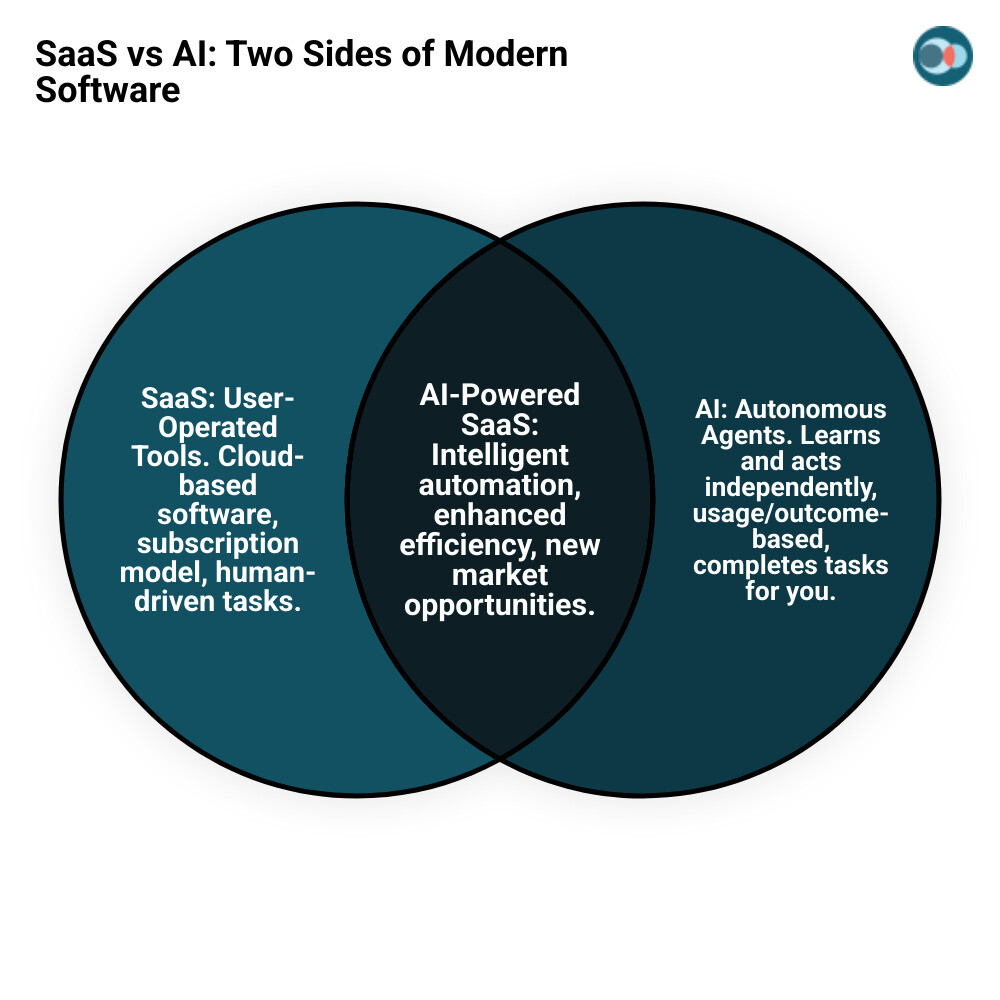
  • **Advanced AI Agents** offer autonomous task management compared to **Traditional SaaS** which relies on manual input.
  • The adaptability of AI agents leads to **greater efficiency** in various workflows.
  • Businesses may experience **significant long-term savings** by transitioning to advanced AI solutions.
  • **Scalability** is a major strength for AI agents, allowing them to adjust to business demands seamlessly.
  • Success with AI agents requires addressing implementation challenges and investing in training.

In today’s fast-paced digital world, businesses rely heavily on technology to streamline operations and enhance productivity. As the technological landscape evolves, so too do the solutions available for small businesses and enterprises alike. One popular debate centers around Advanced AI Agents vs. Traditional SaaS. This blog post will explore how these two solutions differ and how businesses can benefit from understanding these distinctions.

Advanced AI agents represent a leap forward in digital solutions by offering smarter, adaptive, and more efficient operations. Meanwhile, traditional Software as a Service (SaaS) still plays a crucial role for many organizations. Understanding the differences can help businesses make informed decisions that align with their strategic goals.

Understanding the Basics: Advanced AI Agents and Traditional SaaS

What Are Advanced AI Agents?

**Advanced AI Agents** are intelligent systems designed to perform tasks autonomously. They imitate human decision-making processes, analyzing data, making choices, and executing actions without requiring constant human intervention. These agents are often seen as the next evolution in automation, capable of adapting to various workflows and enhancing operational efficiency. For more information, you can refer to our guide on intelligent agents in AI.

What Is Traditional SaaS?

Traditional SaaS refers to a software delivery model wherein applications are hosted in the cloud. Users access these applications via the internet, and the software is primarily designed to require manual input to initiate tasks. While traditional SaaS applications have proven valuable, they often lack the adaptive and autonomous features that advanced AI agents provide.

Digital Solutions in Business

Understanding these two concepts—Advanced AI Agents and Traditional SaaS—allows organizations to better navigate their options when seeking digital solutions. Both have their merits, but the right choice depends on a business’s specific needs and operational goals.

Key Differences: Functionality and Learning Capabilities

Functionality: Autonomy vs. Manual Input

One of the primary differences between advanced AI agents and traditional SaaS is their functionality.

  • Advanced AI Agents: These agents manage tasks autonomously, which means they can operate continuously without manual initiation. This leads to greater efficiency as they provide round-the-clock service. For instance, an advanced AI agent can monitor network traffic and respond to security threats without waiting for a user to trigger the necessary actions.

    – **Source**: source.

  • Traditional SaaS: On the other hand, traditional SaaS typically requires a user to input commands or start processes manually. While these applications are user-friendly, their reliance on human operation can lead to delays and inefficiencies.

Learning Capabilities: Adaptive vs. Static

Another significant contrast lies in their learning capabilities:

  • Advanced AI Agents: They possess dynamic learning capabilities, allowing them to adapt workflows as circumstances change. For example, if an AI agent is responsible for managing inventory, it can learn usage patterns and adjust orders in real-time, optimizing supply levels.

    – **Source**: source.

  • Traditional SaaS: These platforms often follow predetermined workflows, meaning they do not learn from previous interactions. This can hinder flexibility and efficiency in rapidly changing environments.

Cost-Effectiveness: Analyzing Expense Over Time

Cost Implications of Advanced AI Agents

When considering the cost-effectiveness of adopting advanced AI agents, it’s essential to recognize that while the initial investment may be high, the long-term savings can be substantial. By automating tasks that traditionally require manual labor, businesses can significantly cut operational costs.

  • Implementation of AI Agents: While there may be initial costs tied to installation and training, the decrease in labor costs and mistakes can lead to a positive return on investment (ROI) over time.

ROI from Advanced AI Agents vs. Traditional SaaS

To illustrate the potential ROI from advanced AI agents, consider the following:

  • Businesses that utilize AI agents for data analysis often save thousands in labor costs by eliminating the need for additional staff.
  • Traditional SaaS applications may incur ongoing subscription fees without providing the same level of task automation, resulting in higher cumulative costs over time.

In a comparison of quarterly expenses, companies often find that AI agents outpace traditional SaaS in cost efficiency as time goes on.

Scalability: Adjusting to Business Needs

The Benefits of Scalability with Advanced AI Agents

Another area where advanced AI agents shine is scalability. These intelligent systems can rapidly adapt to increased workloads and organizational demands without necessitating a complete overhaul of existing systems.

  • Real-World Example: A marketing agency that adopts an AI agent to handle its campaign management can quickly scale its operations in response to changes in client demand, functioning seamlessly as workload increases.

Limitations of Traditional SaaS in Scalability

Conversely, traditional SaaS platforms may struggle to keep up with growing organizations. These applications can often face performance bottlenecks as user numbers increase or as tasks become more complex, leading to service disruptions and user dissatisfaction.

Customization: Tailored Solutions for Unique Needs

Customization with Advanced AI Agents

One of the most significant advantages of advanced AI agents is their capacity for customization. These agents can be tailored to meet specific user needs and workflows, providing personalized solutions that enhance productivity.

  • Dynamic Adaptation: For example, an advanced AI agent used in customer service can learn from interactions, refining its responses to better suit customer preferences and inquiries.

Comparison with Traditional SaaS

In comparison, traditional SaaS solutions often come with a set of standard features that may not fully align with a business’s unique requirements. Customization options may exist, but they can be limited and reliant on APIs. Consequently, businesses may find themselves constrained by the predefined capabilities of these platforms.

Use Cases: Real-World Applications of AI Agents

Use Cases for Small Businesses and Enterprises

Many small businesses and enterprises have successfully adopted advanced AI agents, demonstrating their potential across various sectors. Here are a few notable applications:

  • Customer Service Automation: Companies are implementing AI agents to handle customer inquiries, delivering 24/7 support and significantly reducing response times.
  • Data Analysis: Businesses use AI agents to automate data collection and analysis, allowing for quick insights and actionable strategies.
  • Project Management: Some organizations employ AI agents to streamline project workflows, ensuring deadlines are met and resources are ingeniously allocated.

These examples showcase the versatility of AI agents in diverse environments, contributing to improved efficiency and innovation.

Challenges and Considerations: Implementing AI Successfully

Addressing Implementation Challenges

Although the advantages of advanced AI agents are numerous, businesses may face certain challenges during implementation:

  • Integration Difficulties: AI agents might struggle to fit into existing systems, particularly if those systems were built without considering future automation requirements.
  • Steep Learning Curve: The training required for staff to effectively interact with advanced AI agents can be significant. Businesses must allocate resources to ensure smooth integration.
  • Transition Costs: Transitioning from traditional SaaS tools to advanced AI agents often incurs additional costs that need to be planned for comprehensively.

Strategies for Overcoming These Challenges

To effectively implement advanced AI agents, organizations should:

  • Develop a Clear Transition Plan: Businesses can benefit from creating a roadmap that outlines the steps for integrating AI agents into existing workflows.
  • Invest in Training: Ensuring that employees receive adequate training can minimize resistance to new systems and promote smoother adoption.
  • Seek Expert Consultation: Businesses should consider enlisting specialist guidance to navigate the transition effectively.

By addressing potential challenges, organizations can leverage the advantages of advanced AI agents while minimizing disruptions.

Conclusion: Embracing Advanced Solutions for Business Efficiency

In conclusion, the shift from traditional SaaS to advanced AI agents presents numerous advantages for small businesses and enterprises. These intelligent systems offer improved functionality, cost-effectiveness, scalability, customization, and practical use cases that can revolutionize how organizations operate.

As technology continues to evolve, embracing innovative solutions becomes essential for enhancing operational efficiency. Businesses looking to thrive in this competitive landscape should seriously consider the benefits that advanced AI agents provide and assess how they might fit into their long-term strategies. For further insights, also check our piece on AI agents for working professionals.

Call to Action: Explore Your Options for AI Implementation

Are you ready to explore the potential of AI agents in your business? Consider reaching out for a consultation to learn how advanced AI solutions can streamline your operations and provide a competitive edge. To stay informed, check out our related articles on AI technology and SaaS solutions to further understand how these advancements can benefit your organization.

By delving into the differences between advanced AI agents and traditional SaaS, businesses can make more informed choices, positioning themselves favorably for success in the fast-evolving digital landscape.

AI Agents to Create New Revenue Streams: Driving Business Innovation and Growth

Cover Image

AI Agents to Create New Revenue Streams

Estimated reading time: 6 minutes

Key Takeaways

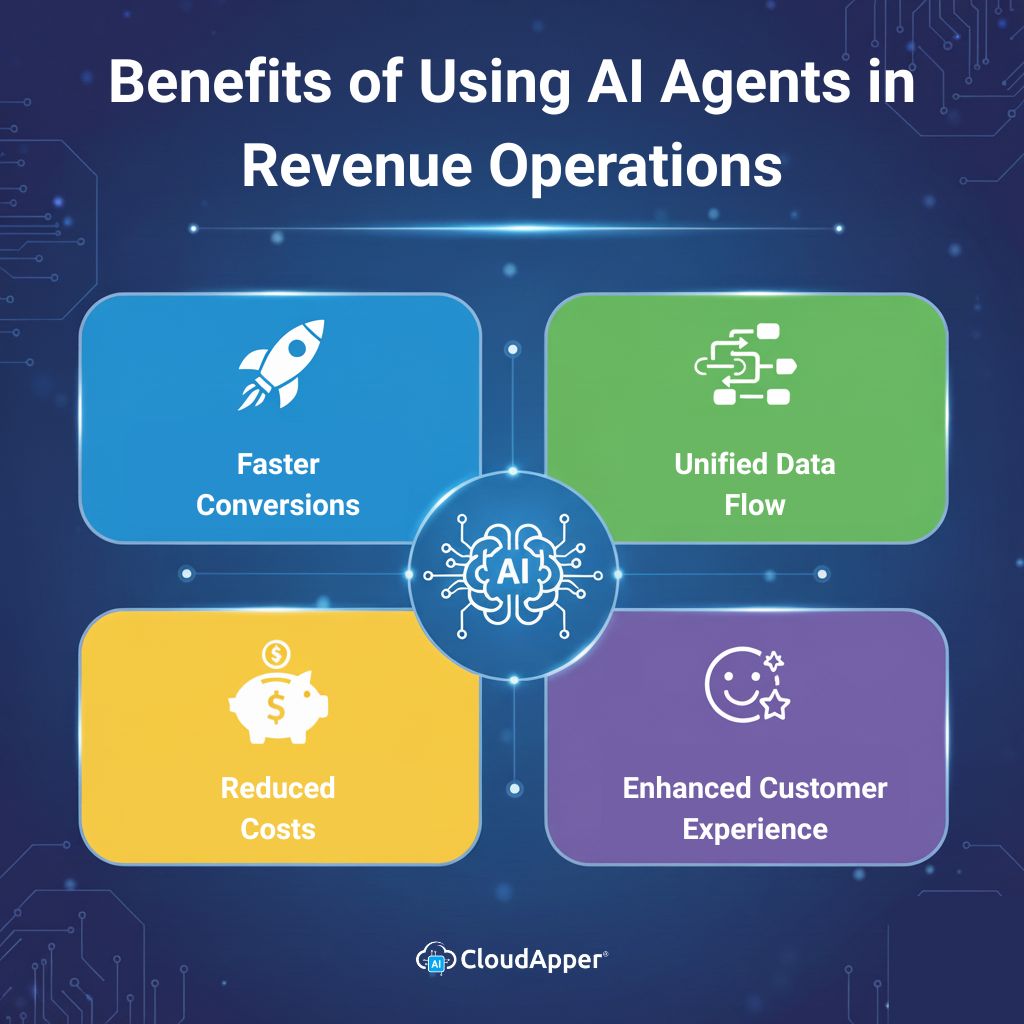
  • AI agents are revolutionizing business operations.
  • Automating processes leads to significant cost savings and increased efficiency.
  • They enable businesses to create personalized customer experiences.
  • Data-driven insights from AI can guide strategic decisions.
  • Successful implementation can diversify revenue streams.

In today’s fast-paced business environment, the importance of AI agents—intelligent software systems that autonomously perform tasks—is undeniable. These advanced technologies are transforming companies by enhancing operational efficiency and fostering innovation. Businesses across the globe are witnessing a remarkable shift towards automation and data-driven decision-making, fueled by these AI agents to create new revenue streams. This blog post delves into how AI agents facilitate business innovation, drive new revenue, and optimize customer experiences.

Understanding AI Agents

What Are AI Agents?

AI agents are sophisticated technologies designed to perform tasks typically requiring human-like intelligence. These intelligent systems can engage in problem-solving, learning from data, and making informed decisions. They can significantly reduce the manual workload involved in various business processes while offering valuable insights through data analysis.

For a deeper understanding of intelligent systems, check out this article on intelligent agents in AI.

Types of AI Agents

Understanding the various types of AI agents is crucial for utilizing their full potential. Here are some common categories:

  • Chatbots: These automated customer service representatives respond to inquiries, providing 24/7 support. Chatbots enable immediate assistance and can significantly enhance customer experience.
  • Recommendation Systems: These personalization engines analyze user behaviors to suggest relevant products or services, improving the shopping experience and increasing sales.
  • Virtual Assistants: These AI tools help manage schedules and tasks, making daily operations easier and more efficient for users.

Automation and Data Analysis

AI agents excel in automation and data analysis. By taking over repetitive tasks, businesses can minimize human error while boosting productivity. Additionally, AI agents analyze large datasets to uncover actionable insights, helping organizations make informed decisions and adapt to changing market conditions.

For a deeper understanding, visit this article on the types of AI agents and their impact.

Revenue Generation through Automation

Streamlining Business Processes

Revenue generation through automation is one of the most significant benefits of implementing AI agents in business. AI agents streamline various operations, enhancing efficiency and reducing costs. This section highlights specific examples from different sectors:

  • Manufacturing: AI agents can automate inventory management. This automation minimizes downtime and ensures that production processes run smoothly.
  • Retail: In retail, AI technology enables automated checkout experiences, which result in quicker transactions and improved customer satisfaction.
  • Customer Service: By deploying chatbots, companies can offer round-the-clock support, leading to more satisfied customers.

Cost Savings and Efficiency Improvements

Integrating AI agents leads to substantial cost savings and improved efficiency. Key benefits include:

  • Lower Labor Costs: Automating routine tasks reduces the need for extensive human involvement, which can significantly cut staffing expenses.
  • Faster Service Delivery: AI agents process requests rapidly, leading to quicker service and response times.

For instance, small businesses can boost their income by utilizing AI chat widgets, generating recurring monthly revenues of $300 to $500. This showcases how efficient automation can contribute to new revenue streams (source).

To support successful AI implementation, businesses must adopt proper planning and strategies that enhance productivity within sales teams. For insights into effective AI implementations, refer to our guide on AI agents for working professionals.

Creating Personalized Experiences

Enhancing Customer Experience

One of the primary goals of utilizing AI agents is to create personalized experiences for customers. Through tailored interactions, businesses can significantly enhance engagement and foster loyalty.

Case Studies on Tailored Marketing Strategies

Several companies have successfully integrated AI agents into their marketing strategies to provide customized experiences. A prominent example is Amazon, which uses robust recommendation systems to analyze consumer behavior. This method allows it to suggest products tailored to individual preferences, boosting sales and customer retention.

The importance of customer engagement cannot be overstated; personalized interactions naturally lead to improved sales and elevated customer satisfaction (source).

Leveraging Data-Driven Insights

Analyzing Customer Data

AI agents equipped with the capability to conduct data-driven insights are invaluable for businesses. They analyze vast amounts of customer data, guiding informed decisions that improve business strategies.

Predictive Analytics in Action

Predictive analytics is a powerful tool within AI agents that helps identify market trends and uncover potential revenue opportunities. Leveraging these insights allows businesses to pivot their strategies effectively, aligning with consumer needs and market demands.

For example, generative AI can streamline value chains, reducing their complexity and helping businesses discover new revenue sources. This kind of operational optimization not only enhances efficiency but also improves overall profitability (source).

Real-World Applications and Success Stories

Businesses Effectively Implementing AI Agents

Countless businesses worldwide are successfully employing AI agents to create new revenue streams. Let’s take a closer look at their innovations and outcomes:

  • Increased Sales: Companies utilizing AI agents often experience significant boosts in sales as personalized interactions attract and retain customers.
  • Improved Customer Satisfaction: By enhancing engagement through personalized experiences, AI agents help businesses maintain customer loyalty.
  • Higher Retention Rates: Implementing AI solutions can lead to lower churn rates, fostering long-term customer relationships.

Innovative Business Models

Companies that leverage AI agents often develop innovative business models, diversifying their income streams. For example, many tech firms are using AI to enhance their service offerings, allowing for the introduction of new products that cater to unmet consumer needs (source).

Learning from these success stories enables other businesses to adopt best practices and implement AI agents effectively across various sectors.

Conclusion

In summary, this exploration of AI agents to create new revenue streams has highlighted their integral role in fostering business innovation and driving new income opportunities. From streamlining operations to enhancing customer experiences through personalization, AI agents are vital tools for sustainable growth.

As the business landscape continues to evolve towards automation and data-driven strategies, integrating AI agents is no longer optional; it’s essential. We encourage you to consider how these powerful tools can benefit your business, drive innovative approaches, and expand your revenue potential.

Frequently Asked Questions

What are AI agents?

AI agents are advanced software systems designed to perform tasks that typically require human intelligence, such as learning from data and making decisions.

How do AI agents help businesses?

They help by automating tasks, providing data-driven insights, and enhancing customer experiences through personalization, ultimately driving revenue growth.

Can small businesses benefit from AI agents?

Yes, small businesses can utilize AI agents to streamline processes, thereby reducing costs and increasing revenue opportunities.

How AI Agents for Working Professionals Can Revolutionize Your Productivity

Cover Image

How AI Agents for Working Professionals Can Revolutionize Your Productivity

Estimated reading time: 7 minutes

Key Takeaways

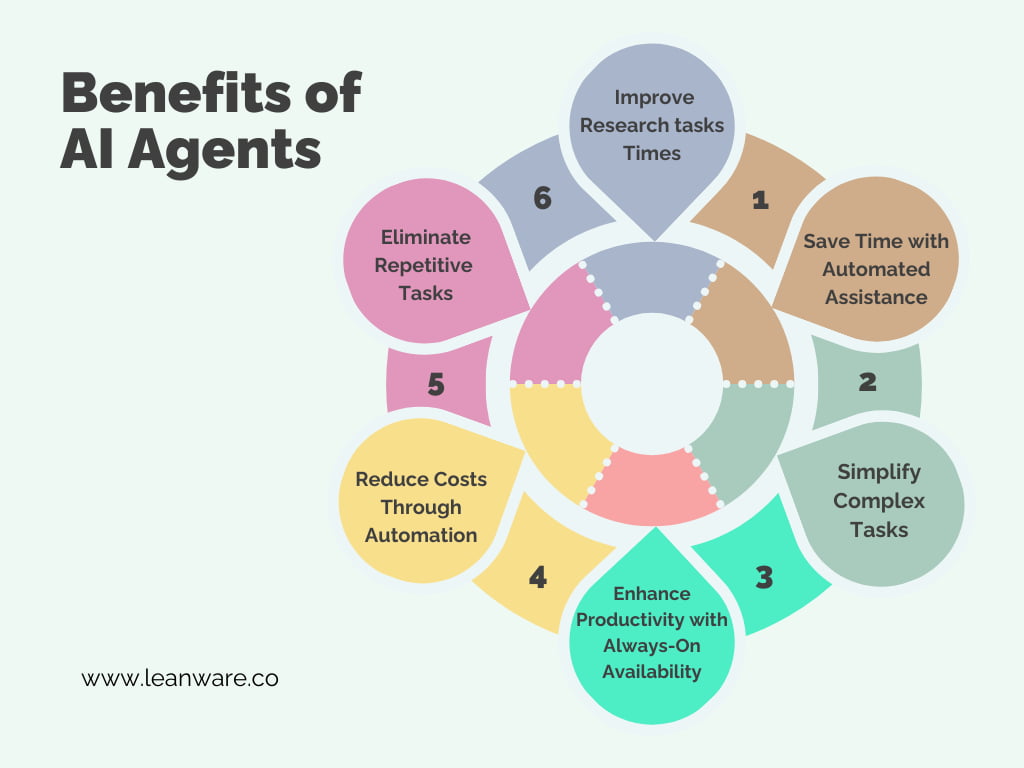
  • AI agents streamline tasks and enhance productivity for professionals.
  • Companies embracing AI technologies can increase productivity significantly.
  • Integrating task automation removes repetitive work, allowing focus on strategic tasks.
  • Successful case studies showcase the diverse benefits of AI agents across industries.
  • Adopting AI requires a thoughtful approach to overcome implementation challenges.

Introduction to AI Agents for Working Professionals

In today’s fast-paced work environment, professionals must maximize productivity to stay competitive. One way to achieve this is through the use of AI agents for working professionals. These specialized software tools automate tasks and processes, enabling professionals to focus on more critical aspects of their work. AI agents enhance productivity by simplifying and streamlining various work-related activities, making them indispensable in modern workplaces.

*Understanding how these tools can improve efficiency is vital for professionals looking to enhance their output. With the increasing demand for productivity solutions, AI agents are becoming more relevant every day*, allowing businesses to achieve their goals more efficiently. [source](https://agent.ai/) | For a deeper understanding of AI agents, check our post on [intelligent agents](https://blog.radendpoint.com/2026/03/25/intelligent-agent-in-ai-guide/).

The Value of AI in Professional Settings

In a competitive work environment, the demand for productivity tools is skyrocketing. Businesses continually strive to boost efficiency and effectiveness to maintain their edge. *The integration of AI into the workplace reflects this trend*. Studies show that organizations utilizing AI solutions report significant improvements in their operational efficiency.

Statistical Insights

  • According to a study by McKinsey, companies adopting AI technologies can boost productivity by up to 40% within a few years.
  • A survey conducted by PwC indicated that 72% of business leaders believed that AI could enhance their productivity.

These statistics demonstrate the real-world impact of AI agents in professional settings, underscoring their essential role in driving productivity. [source](https://mashable.com/article/best-ai-agents-work)

Understanding Task Automation

Task automation is a crucial concept for working professionals, as it refers to technology performing tasks without direct human involvement. The significance of task automation cannot be overstated; it saves time and minimizes human error, leading to increased productivity.

Common Repetitive Tasks Automated by AI Agents

AI agents can seamlessly handle various repetitive tasks, such as:

  • Email Management: Automatically sorting and responding to messages saves professionals hours of work each week.
  • Scheduling: AI can coordinate meetings and manage calendars, reducing the hassle of back-and-forth communication.
  • Customer Relationship Management (CRM): AI tools can track interactions and manage customer data more efficiently than manual processes.
  • Research: AI agents can quickly gather relevant information from multiple sources, accelerating the research process.

By automating these tasks, professionals can focus their attention on strategic decision-making and creative problem-solving, enhancing their overall effectiveness in the workplace. [source](https://www.usecarly.com/blog/best-ai-agents-productivity/) | For more insights on how automation can improve workflows, explore our piece on [multi-agent systems](https://blog.radendpoint.com/2026/03/25/future-of-business-multi-agent-systems/).

Streamlining Workflows with AI Agents

Integrating AI agents into existing workflows is essential for maximizing their benefits. Identifying areas for improvement within current processes can lead to smoother operations and enhanced productivity.

Here are some AI agents that help in streamlining workflows:

  • Lindy: This AI tool manages tasks efficiently and helps optimize time-use by handling email responses and scheduling.
  • CrewAI: Designed for team collaboration, CrewAI focuses on communication efficiency and task delegation.
  • AutoGen: This agent automates research processes, gathering data and insights quickly for decision-making.

By embedding these AI tools into your daily operations, you can optimize communication, project management, and data organization, resulting in improved workflows for working professionals. [source](https://www.lindy.ai/blog/best-ai-agents)

Tools for AI Automation

When discussing tools for AI automation, one standout option is N8n. This platform enhances productivity by allowing users to visualize their workflows and automate tasks without any prior coding knowledge.

Example Use Cases for N8n

  • Social Media Management: Automate posting schedules across multiple platforms.
  • Data Entry: Streamline data collection from email to spreadsheets automatically.
  • Notifications: Set up alerts for project updates or deadlines.

Moreover, comparing tools like N8n with other automation tools can help you find the right fit for your professional needs. For detailed comparisons of popular automation tools, consider visiting [source](https://www.usecarly.com/blog/best-ai-agents-productivity/) or check out our analysis on [advanced AI agents](https://blog.radendpoint.com/?p=192).

Getting Started with AI Agents

To successfully adopt AI agents for working professionals, it’s essential to have a systematic approach.

Steps to Implement AI Agents

  1. Assess Needs: Identify which tasks are repetitive and time-consuming in your daily routine.
  2. Select Suitable Tools: Research various AI tools available and choose those best suited for your specific tasks.
  3. Integrate AI Agents: Ensure the chosen tools can integrate seamlessly with your existing systems.

Overcoming Challenges

Implementing AI agents may come with hurdles such as resistance to change or training staff on new tools. Address these challenges by:

  • Providing training sessions to familiarize your team with new software.
  • Offering ongoing support as employees transition to AI solutions.

With the right approach, integrating AI agents can lead to substantial enhancements in productivity. [source](https://digitalworkforce.com/ai-agents/) | To explore more about empowering small businesses using AI, refer to our blog on [AI for Small Business](https://blog.radendpoint.com/2025/12/07/ai-for-small-business-growth/).

Real-Life Success Stories

Success stories of professionals who have integrated AI agents for working professionals illustrate the transformative impact of these tools on productivity.

Case Studies Across Industries

  1. Healthcare: A medical office implemented AI agents for scheduling and record management, resulting in a 30% reduction in administrative workload.
  2. Marketing: A digital marketing agency used AI agents to manage social media accounts and email campaigns, increasing engagement by 50%.
  3. Consulting: Consultants adopted AI tools for client reporting, realizing more time for strategic planning and value-added services.

These diverse success stories underline the versatility of AI agents in enhancing productivity across multiple industries. [source](https://mashable.com/article/best-ai-agents-work)

Conclusion

In summary, AI agents for working professionals offer substantial benefits that can dramatically enhance productivity and efficiency. By adopting these innovative tools, professionals can streamline their workflows, reduce repetitive tasks, and ultimately focus on what truly matters—strategic thinking and decision-making.

*Now is the time to explore and implement AI tools that can revolutionize your work routine*. For more guidance on adopting AI agents, consider reaching out to consultation services that can help identify the best solutions for your needs. Additionally, check out reliable reviews and comparisons of top AI agents to make informed decisions.

Embrace the future of work and unlock your productivity potential through AI! [source](https://digitalworkforce.com/ai-agents/) | For further reading about the benefits of AI agents, see our post on [creating new revenue streams](https://blog.radendpoint.com/?p=190).

Frequently Asked Questions

Coming soon.