
AI Agents to Create New Revenue Streams
Estimated reading time: 6 minutes
Key Takeaways
- AI agents are revolutionizing business operations.
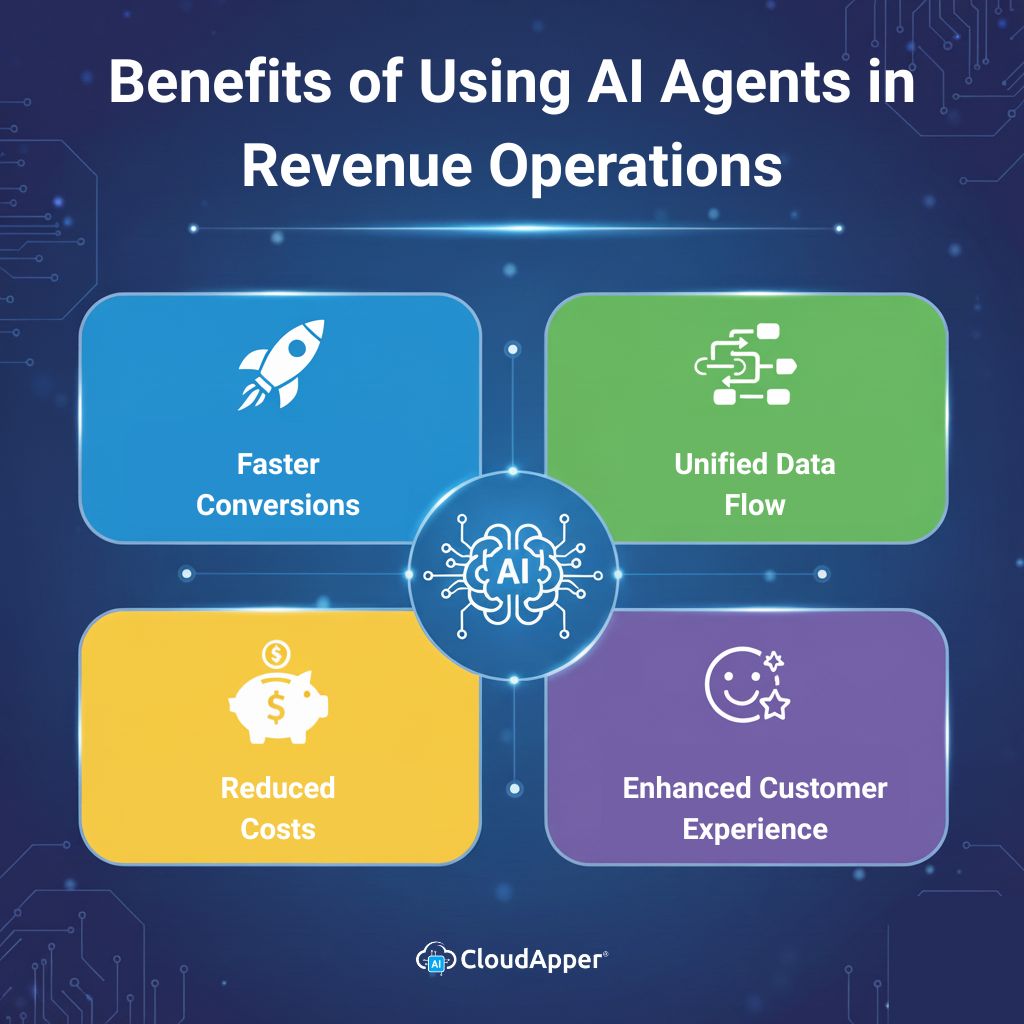
- Automating processes leads to significant cost savings and increased efficiency.
- They enable businesses to create personalized customer experiences.
- Data-driven insights from AI can guide strategic decisions.
- Successful implementation can diversify revenue streams.
Table of contents
In today’s fast-paced business environment, the importance of AI agents—intelligent software systems that autonomously perform tasks—is undeniable. These advanced technologies are transforming companies by enhancing operational efficiency and fostering innovation. Businesses across the globe are witnessing a remarkable shift towards automation and data-driven decision-making, fueled by these AI agents to create new revenue streams. This blog post delves into how AI agents facilitate business innovation, drive new revenue, and optimize customer experiences.
Understanding AI Agents
What Are AI Agents?
AI agents are sophisticated technologies designed to perform tasks typically requiring human-like intelligence. These intelligent systems can engage in problem-solving, learning from data, and making informed decisions. They can significantly reduce the manual workload involved in various business processes while offering valuable insights through data analysis.
For a deeper understanding of intelligent systems, check out this article on intelligent agents in AI.
Types of AI Agents
Understanding the various types of AI agents is crucial for utilizing their full potential. Here are some common categories:
- Chatbots: These automated customer service representatives respond to inquiries, providing 24/7 support. Chatbots enable immediate assistance and can significantly enhance customer experience.
- Recommendation Systems: These personalization engines analyze user behaviors to suggest relevant products or services, improving the shopping experience and increasing sales.
- Virtual Assistants: These AI tools help manage schedules and tasks, making daily operations easier and more efficient for users.
Automation and Data Analysis
AI agents excel in automation and data analysis. By taking over repetitive tasks, businesses can minimize human error while boosting productivity. Additionally, AI agents analyze large datasets to uncover actionable insights, helping organizations make informed decisions and adapt to changing market conditions.
For a deeper understanding, visit this article on the types of AI agents and their impact.
Revenue Generation through Automation
Streamlining Business Processes
Revenue generation through automation is one of the most significant benefits of implementing AI agents in business. AI agents streamline various operations, enhancing efficiency and reducing costs. This section highlights specific examples from different sectors:
- Manufacturing: AI agents can automate inventory management. This automation minimizes downtime and ensures that production processes run smoothly.
- Retail: In retail, AI technology enables automated checkout experiences, which result in quicker transactions and improved customer satisfaction.
- Customer Service: By deploying chatbots, companies can offer round-the-clock support, leading to more satisfied customers.
Cost Savings and Efficiency Improvements
Integrating AI agents leads to substantial cost savings and improved efficiency. Key benefits include:
- Lower Labor Costs: Automating routine tasks reduces the need for extensive human involvement, which can significantly cut staffing expenses.
- Faster Service Delivery: AI agents process requests rapidly, leading to quicker service and response times.
For instance, small businesses can boost their income by utilizing AI chat widgets, generating recurring monthly revenues of $300 to $500. This showcases how efficient automation can contribute to new revenue streams (source).
To support successful AI implementation, businesses must adopt proper planning and strategies that enhance productivity within sales teams. For insights into effective AI implementations, refer to our guide on AI agents for working professionals.
Creating Personalized Experiences
Enhancing Customer Experience
One of the primary goals of utilizing AI agents is to create personalized experiences for customers. Through tailored interactions, businesses can significantly enhance engagement and foster loyalty.
Case Studies on Tailored Marketing Strategies
Several companies have successfully integrated AI agents into their marketing strategies to provide customized experiences. A prominent example is Amazon, which uses robust recommendation systems to analyze consumer behavior. This method allows it to suggest products tailored to individual preferences, boosting sales and customer retention.
The importance of customer engagement cannot be overstated; personalized interactions naturally lead to improved sales and elevated customer satisfaction (source).
Leveraging Data-Driven Insights
Analyzing Customer Data
AI agents equipped with the capability to conduct data-driven insights are invaluable for businesses. They analyze vast amounts of customer data, guiding informed decisions that improve business strategies.
Predictive Analytics in Action
Predictive analytics is a powerful tool within AI agents that helps identify market trends and uncover potential revenue opportunities. Leveraging these insights allows businesses to pivot their strategies effectively, aligning with consumer needs and market demands.
For example, generative AI can streamline value chains, reducing their complexity and helping businesses discover new revenue sources. This kind of operational optimization not only enhances efficiency but also improves overall profitability (source).
Real-World Applications and Success Stories
Businesses Effectively Implementing AI Agents
Countless businesses worldwide are successfully employing AI agents to create new revenue streams. Let’s take a closer look at their innovations and outcomes:
- Increased Sales: Companies utilizing AI agents often experience significant boosts in sales as personalized interactions attract and retain customers.
- Improved Customer Satisfaction: By enhancing engagement through personalized experiences, AI agents help businesses maintain customer loyalty.
- Higher Retention Rates: Implementing AI solutions can lead to lower churn rates, fostering long-term customer relationships.
Innovative Business Models
Companies that leverage AI agents often develop innovative business models, diversifying their income streams. For example, many tech firms are using AI to enhance their service offerings, allowing for the introduction of new products that cater to unmet consumer needs (source).
Learning from these success stories enables other businesses to adopt best practices and implement AI agents effectively across various sectors.
Conclusion
In summary, this exploration of AI agents to create new revenue streams has highlighted their integral role in fostering business innovation and driving new income opportunities. From streamlining operations to enhancing customer experiences through personalization, AI agents are vital tools for sustainable growth.
As the business landscape continues to evolve towards automation and data-driven strategies, integrating AI agents is no longer optional; it’s essential. We encourage you to consider how these powerful tools can benefit your business, drive innovative approaches, and expand your revenue potential.
Frequently Asked Questions
What are AI agents?
AI agents are advanced software systems designed to perform tasks that typically require human intelligence, such as learning from data and making decisions.
How do AI agents help businesses?
They help by automating tasks, providing data-driven insights, and enhancing customer experiences through personalization, ultimately driving revenue growth.
Can small businesses benefit from AI agents?
Yes, small businesses can utilize AI agents to streamline processes, thereby reducing costs and increasing revenue opportunities.